
Quick answer
Do the checklist in passes. First mark anything unsafe or actively leaking. Then identify deterioration that can spread. Finally, group cosmetic and convenience items into a future punch list.
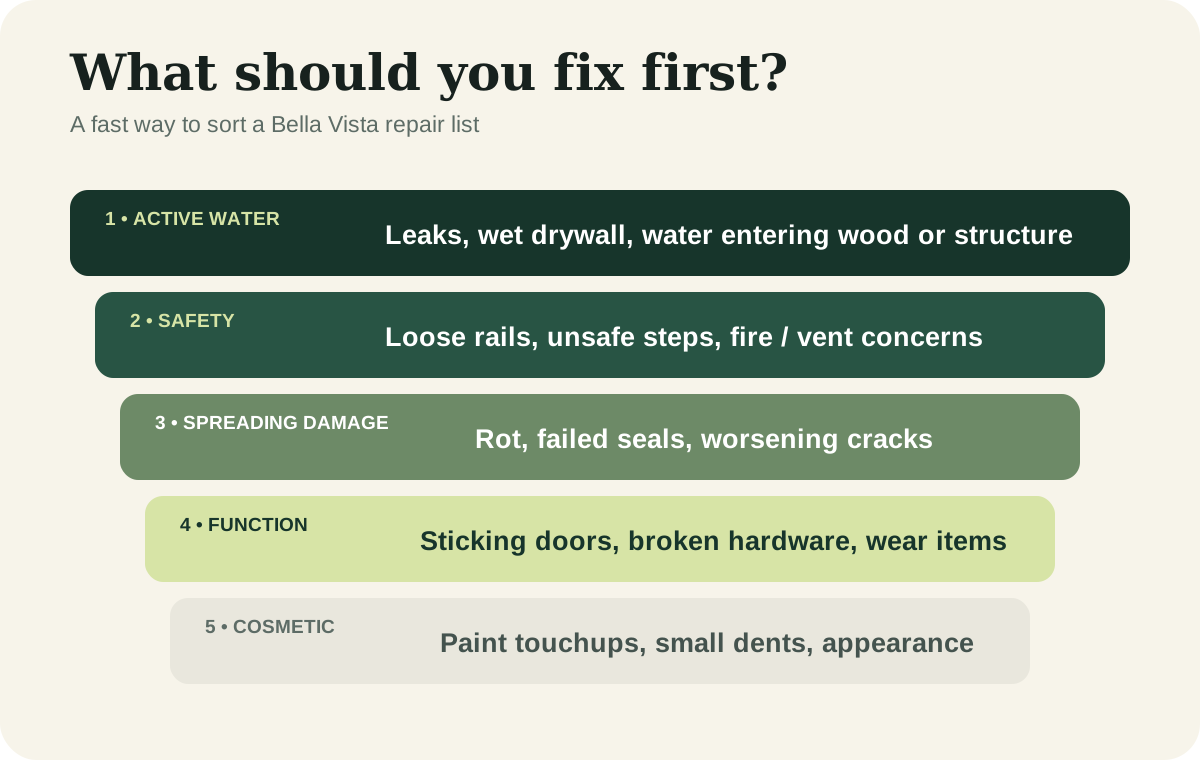
What to check first
Start with observable conditions before choosing a repair method. These checks help separate a surface symptom from the problem that actually needs attention.
- Exterior: trim, siding edges, caulk joints, penetrations, paint failure, wood softness, and gaps.
- Water: gutters, downspouts, splash zones, grade near the foundation, stains, and musty areas.
- Access: exterior doors, storm doors, locks, thresholds, steps, rails, gates, and decks.
- Interior: drywall cracks, ceiling stains, loose hardware, cabinet alignment, flooring transitions, and failed caulk.
- Safety: smoke/CO alarms, dryer vent airflow, loose handrails, trip hazards, bathroom grab points, and exterior lighting.
Why these details change the repair
A good repair plan should address cause, access, safety and finish—not merely the most visible defect. For this topic, the following details can materially change the scope:
- A checklist is valuable because deterioration is easier to spot when you compare the same locations over time.
- Photos are helpful but not required; dated notes about the location and size of a defect can show whether it is growing.
- Not every crack or stain is urgent. The key is whether it is active, changing, wet, loose, or tied to a safety issue.
- One organized list is easier to estimate than a series of separate calls for unrelated small tasks.
A practical way to handle it
When to turn the question into a service call
If you know the symptom but do not want to spend your time diagnosing, sourcing materials, setting up tools, or making several repair attempts, send the job to Bentonville Handyman Co. The most useful request includes the room or exterior location, what is happening, approximate quantity or size, and whether the condition is changing.
Use the short request form, call, or go directly to the related Bentonville Handyman Co service page.
Common questions
FAQ
Do I need to complete all 50 items every month?
No. Use the full checklist seasonally or a few times per year, then monitor known problem areas more often.
What if I find a soft area in exterior trim?
Soft wood usually deserves prompt investigation because surface paint alone will not correct underlying decay or moisture entry.
What should go on a handyman punch list?
Small repairs, adjustments, mounting, trim/drywall work, maintenance and other tasks that fit the provider’s scope and applicable licensing rules.